When you press the gas pedal and the car hesitates before responding, that lag can be unsettling and dangerous. Electronic throttle body delayed response means the signal between your accelerator and the throttle body isn't reaching the engine fast enough or accurately enough. Whether it happens at a stoplight, during a highway merge, or in stop-and-go traffic, diagnosing the root cause quickly matters for both safety and preventing bigger repair bills. Here's how to troubleshoot it step by step.
What does electronic throttle body delayed response actually mean?
Modern vehicles use a drive-by-wire system. Instead of a physical cable connecting the gas pedal to the throttle body, your car relies on electronic signals. When you press the accelerator pedal, a sensor reads the position and sends a voltage signal to the engine control module (ECM). The ECM then commands the throttle body motor to open or close the throttle plate.
A delayed response means somewhere in this chain the pedal sensor, the wiring, the ECM, or the throttle body itself something is slowing down or misreading the command. The result is throttle lag, engine hesitation, or a sluggish feeling when accelerating.
What are the common symptoms to watch for?
Before diving into diagnostics, make sure you're actually dealing with throttle body delay and not another issue. Common symptoms include:
- A noticeable pause after pressing the gas pedal before the engine responds
- RPMs dropping or surging unexpectedly at idle
- The engine stumbling or hesitating during acceleration
- An illuminated check engine light with throttle-related fault codes
- The vehicle entering limp mode, limiting speed and power
- Rough or unstable idle when stopped
What fault codes should you look for with an OBD-II scanner?
Connecting an OBD-II scanner is one of the first things you should do. These codes narrow down the problem before you start replacing parts. Look for:
- P2100 Throttle Actuator Control Motor Circuit Open
- P2111 Throttle Actuator Control System Stuck Open
- P2112 Throttle Actuator Control System Stuck Closed
- P2119 Throttle Actuator Control Throttle Body Range/Performance
- P0121–P0124 Throttle Position Sensor (TPS) circuit issues
- P2135 Throttle/Pedal Position Sensor Voltage Correlation
Codes alone don't tell the full story, but they give you a starting point. A P2111 code, for example, points toward a throttle plate that's physically sticking open which could mean a dirty throttle body or a failing actuator motor.
How do you inspect the throttle body visually?
Pop the hood and locate the throttle body it sits between the air intake and the intake manifold. Remove the intake duct to get a clear look at the throttle plate and the bore.
Check for:
- Carbon buildup or grime around the throttle plate edges. This is the most common cause of sticky, delayed throttle response.
- Oil residue inside the intake, which could indicate a PCV valve issue or turbo seal leak.
- Damaged or corroded wiring on the throttle body connector.
- A stuck or binding throttle plate try gently moving it with the engine off to feel for resistance.
Carbon and varnish buildup are so frequently the culprit that many mechanics recommend starting with a cleaning before anything else. Our guide on throttle body cleaning versus replacement walks through when cleaning is enough and when you need a new unit.
How do you test the throttle position sensor (TPS)?
The TPS tells the ECM exactly where the throttle plate is. If it sends erratic or incorrect data, the ECM can't control throttle response properly.
- With the engine off, turn the ignition to the "on" position.
- Connect your OBD-II scanner and navigate to live data.
- Find the throttle position sensor percentage reading.
- Slowly press the gas pedal to the floor. The TPS reading should move smoothly from roughly 0% to 100% with no jumps, drops, or dead spots.
- Release the pedal and watch the reading return smoothly to baseline.
If the reading skips, freezes, or doesn't match pedal movement, the TPS (or the integrated sensor in the throttle body) is likely faulty.
How do you test the accelerator pedal position sensor?
The pedal position sensor (APP sensor) sits behind the gas pedal and has two or three signal circuits for redundancy. To test it:
- Again, use live data on your scanner.
- Find APP Sensor 1 and APP Sensor 2 voltage readings.
- Press the pedal slowly. Sensor 1 typically reads from about 0.5V to 4.5V. Sensor 2 usually reads roughly half of Sensor 1's voltage throughout the range.
- Check that both sensors move proportionally without dropouts.
If one sensor reads erratically or the two sensors don't track together, the ECM may reject the signal or delay the throttle command. A mismatch between pedal position and throttle position is a strong clue here.
What about the wiring and connectors?
Electrical faults cause a surprising number of throttle delays. Perform these checks:
- Unplug the throttle body connector and inspect the pins for corrosion, bent pins, or green oxidation.
- Check the harness for chafing, melted insulation, or rodent damage especially near the engine where heat is high.
- Measure resistance across the throttle body motor pins with a multimeter. Compare your reading to the spec in the service manual (typically 1–15 ohms depending on the vehicle).
- Check for voltage drop on the power and ground wires to the throttle body with the engine running. A significant voltage drop on the ground side can cause sluggish actuator response.
Could the problem be in the ECM or a software issue?
Less commonly, the ECM itself may need a software update. Some manufacturers have issued TSBs (Technical Service Bulletins) for throttle response complaints that are resolved with a reflash. Check your vehicle's year, make, and model against TSB databases before replacing expensive hardware. A dealer-level scan tool can also verify whether the ECM is commanding throttle position correctly versus what the throttle body is actually doing.
What are the most common diagnostic mistakes?
A few missteps waste time and money:
- Replacing the throttle body without cleaning it first. A $10 can of throttle body cleaner solves the problem in many cases.
- Ignoring the gas pedal sensor. People focus on the throttle body and forget the signal starts at the pedal.
- Skipping the relearn procedure. After cleaning or replacing the throttle body, most vehicles require an idle relearn or throttle body relearn procedure. Without it, the delayed response can persist or even get worse. If you've recently replaced the throttle body and still notice lag, check out our guide on fixing delayed throttle response after replacement.
- Clearing codes without driving the car. Some issues only show up under load. After clearing codes, drive the vehicle through various conditions before assuming the problem is gone.
- Not checking for vacuum leaks. A large vacuum leak can mimic throttle body issues by causing erratic idle and poor throttle response.
What tools do you need for this diagnosis?
You don't need a full shop to get started, but a few tools make the process much faster:
- OBD-II scanner with live data a basic Bluetooth adapter and phone app works for most people
- Multimeter for testing voltage, resistance, and continuity on sensors and wiring
- Throttle body cleaner and a clean rag
- Inspection mirror and flashlight for hard-to-see connectors
- Vehicle service manual or access to AllData/Mitchell for exact specs and wiring diagrams
When should you stop diagnosing and call a professional?
If you've cleaned the throttle body, tested the sensors, checked the wiring, and performed the relearn but the problem persists a shop with a factory-level scan tool can perform deeper diagnostics like actuator tests, ECM output tests, and reflashing. Throttle-by-wire systems tie into vehicle safety, so if the car is entering limp mode frequently or the delay feels dangerous, don't keep driving it hoping it resolves on its own.
Quick diagnostic checklist
- Connect an OBD-II scanner and record all fault codes
- Inspect the throttle body for carbon buildup or damage
- Clean the throttle body if dirty, then perform the relearn procedure
- Test TPS and APP sensor data with live data look for smooth, proportional readings
- Inspect throttle body wiring and connector pins for damage or corrosion
- Measure throttle body motor resistance with a multimeter
- Check for vacuum leaks with a smoke test or carb cleaner method
- Look up TSBs for your specific vehicle's year, make, and model
- If all checks pass, reflash or update ECM software at a dealer
- If the problem persists after all steps, seek a qualified technician with factory diagnostic tools
Tip: Always clear codes after each repair step and drive the vehicle through multiple operating conditions (cold start, idle, light throttle, hard acceleration, highway cruise) before moving to the next step. This keeps you from chasing the wrong problem.
 Throttle Body Cleaning vs Replacement: Fix Sticky Throttle Response Fast
 Symptoms of a Failing Throttle Body Causing Acceleration Lag
 How to Fix Delayed Throttle Response After Throttle Body Replacement
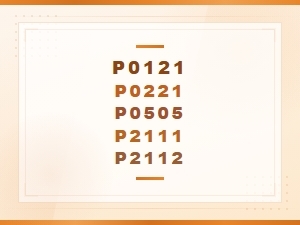 Obd2 Codes for Throttle Body Issues & Rough Idle
 Fix Delayed Response: Best Replacement Throttle Sensors
 Step-By-Step Throttle Body Cleaning for Intermittent Delay